NETWORKMCS ↗
Start here
HomeOnsite TrainingVirtual TrainingFull class schedule
2027 Guide
2027 Implementation GuideGuide home
Look it up · tools
SafePath · Decision TreeArc Flash BoundaryPPE Category SelectorArc Flash GlovesEnergized Work PermitOSHA–70E CrosswalkESP BuilderESP Gap Assessment
For your company
Onsite / private groupMeet your instructor
By industry
Data CentersSolar & RenewablesManufacturingUtilitiesOil & GasHealthcareAll industries…
By state
TexasCaliforniaFloridaGeorgiaIllinoisMichiganNew YorkNorth CarolinaOhioPennsylvaniaAll states…
Reference
FAQToolbox TalksDownloadsContact
Network
MissionCriticalSafety.org ↗
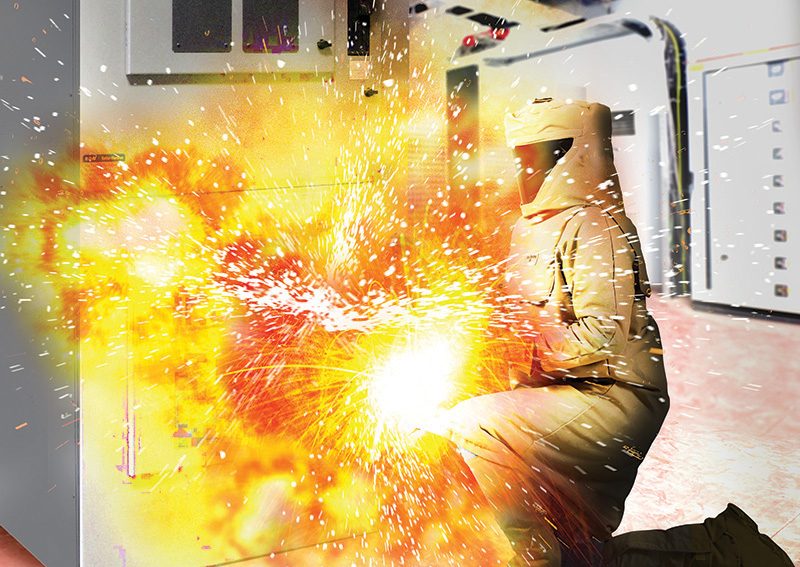
Arc flash hazard in Vermont industrial facility — 2027 NFPA 70E electrical safety training
2027 NFPA 70E Training — Vermont

Vermont 2027 NFPA 70E Arc Flash Training
for Semiconductor Plants

Onsite and virtual electrical safety training built for the hazards of Vermont’s semiconductor, food processing, and utility sectors — led by Certified Safety Professionals with 35+ years of field experience.

4-hour, 8-hour, and 2-day class formats — onsite at your Vermont facility or live virtual via Zoom or Microsoft Teams. See upcoming open-enrollment class dates & seats below.

Read the Vermont compliance guide →

Upcoming Virtual, Instructor-Led Classes
Open Enrollment
Class
Date
Time
Seats
Status
Enroll
8-Hour NFPA 70E Electrical Safety
Qualified Electrical Worker - Live, Virtual
Sep 15
8:00 AM–4:30 PM EST
10 open
OPEN
Enroll
4-Hour NFPA 70E Electrical Safety
Qualified Electrical Worker Refresher - Live, Virtual
Sep 17
8:00 AM–12:00 PM EST
9 open
OPEN
Enroll
4-Hour NFPA 70E Electrical Safety
Qualified Electrical Worker Refresher - Live, Virtual
Sep 17
1:00 PM–5:00 PM EST
7 open
OPEN
Enroll
8-Hour NFPA 70E Electrical Safety
Qualified Electrical Worker - Live, Virtual
Sep 22
8:00 AM–4:30 PM EST
13 open
OPEN
Enroll
Have 15+ people? Book a private day →

Vermont’s industrial base is smaller than its neighbors, but no less electrically demanding — anchored by one of the most complex semiconductor fabrication facilities in the Northeast, a cluster of food and beverage processors, and a utility grid built around hydroelectric generation and mountainous transmission corridors. We deliver 2027 NFPA 70E training built specifically for the work Vermont qualified electrical workers actually do. Employers also search for arc flash training in Vermont — it is the same 2027 NFPA 70E-compliant program described above, delivered onsite or via live virtual instruction.

Training Built for Vermont’s Most Demanding Electrical Environments

Every industry sector in Vermont carries its own electrical hazard profile. We build curriculum around the specific equipment, voltage levels, and classified locations your workers encounter every day.

Oil & Gas Operations

Vermont has no in-state oil or gas production, but the state’s heavy reliance on heating oil and propane means bulk fuel storage terminals and Vermont Gas Systems’ natural gas distribution infrastructure require the same lockout/tagout and arc flash discipline found in larger energy markets.

Petrochemical & Refining

Vermont’s process manufacturing is led by GlobalFoundries’ semiconductor fabrication complex in Essex Junction — one of the most electrically complex facilities in the state — along with food and beverage processors such as Ben & Jerry’s and Cabot Creamery running continuous process equipment.

Construction & Utilities

Vermont Electric Power Company (VELCO) and Green Mountain Power maintain transmission and distribution infrastructure across mountainous terrain, and electrical contractors on utility and institutional construction projects must navigate 2027 NFPA 70E alongside OSHA 29 CFR 1926 Subpart K.

Municipalities & Public Utilities

Municipal utilities such as Burlington Electric Department, along with a network of small hydroelectric facilities and rural electric cooperatives, require linework and substation crews trained to 29 CFR 1910.269 alongside 2027 NFPA 70E.

Data Centers

Vermont’s data center footprint is modest, concentrated in small colocation and institutional facilities supporting healthcare systems and higher education, but these sites still require qualified electrical workers trained on UPS systems and backup generator switchgear under live work permits.

Manufacturing

GlobalFoundries’ Essex Junction semiconductor fab, along with specialty machine tool and precision manufacturing operations, run complex 480V and higher distribution systems where arc flash studies and qualified worker training are essential under OSHA General Duty Clause.

Vermont & VOSHA: What Employers Must Know

Vermont operates its own OSHA-approved State Plan, administered by the Vermont Occupational Safety and Health Administration (VOSHA) under the Vermont Department of Labor. VOSHA covers both private-sector and public-sector employers and must maintain standards at least as effective as Federal OSHA, including electrical safety provisions that are enforced with 2027 NFPA 70E as the recognized industry method.

For semiconductor, food processing, and precision manufacturing employers, VOSHA compliance officers evaluate arc flash and electrical safe work practices during inspections and incident investigations. Training qualified electrical workers to 2027 NFPA 70E standards remains the strongest available compliance posture under the state plan.

Utility employers and municipal power departments operating hydroelectric and transmission infrastructure must align electrical safe work practices with 29 CFR 1910.269, which VOSHA enforces alongside its state-specific general industry standards.

GlobalFoundries’ Essex Junction fab is in the middle of a $16 billion expansion tied to CHIPS Act funding, with new gallium nitride (GaN) power-semiconductor production targeted to reach volume output in late 2026 — one of the largest employers in the state ramping new production lines and the electrical infrastructure behind them. A ramp of that scale needs qualified electrical workers with a current, documented 2027 NFPA 70E training record — not a certificate from years ago.

VOSHA
Vermont State Plan
VT Dept. of Labor
State Plan Administrator
2027 NFPA 70E
Recognized Industry Standard
Energized Work Permit Required
For Live Electrical Work

How Vermont licenses electrical work, and where the load is

Vermont runs electrical licensing through a single statewide body — the Electricians’ Licensing Board, under the Division of Fire Safety in the Department of Public Safety — rather than splitting the credential across counties or municipalities the way many larger states do. One state exam, one renewal cycle, and a facility in Essex Junction or a contractor working the Northeast Kingdom answers to the same board.

OSHA coverage is also a single state program: VOSHA is a full State Plan, covering private-sector and state/local-government employers alike, so the arc flash and electrical safety enforcement Vermont employers see comes from the state Department of Labor rather than a federal regional office.

Green Mountain Power serves roughly three-quarters of the state’s electric customers, with Vermont Electric Cooperative and Burlington’s municipal utility (Burlington Electric Department) covering most of the rest — a small number of grid operators for a state this size.

The industrial anchor is GlobalFoundries’ Essex Junction semiconductor fab, Vermont’s largest private employer and one of the most electrically intensive facilities in New England, alongside the dairy-processing and maple-products plants that run Vermont’s rural manufacturing base. None of these facilities has the luxury of a large in-house electrical staff the way a bigger state's industrial base might, which puts more weight on outside qualified-worker training closing that gap correctly the first time.

For a facility this electrically intensive in a state this rural, the honest planning question isn’t just who’s qualified to do the work — it’s whether the crew can reliably get to the site on the day scheduled, and Vermont’s roads answer that differently than a state with more interstate miles.

Scheduling note: Mud season (roughly March–April) and winter storm closures both affect travel between Vermont facilities more than the calendar suggests — distances that look short on a map can mean a two-lane state highway. Building slack into a multi-site onsite schedule matters more here than in a state with an interstate grid connecting every plant.

We Deliver Arc Flash Training Across Vermont

Onsite delivery to your facility, anywhere in the state

Burlington South Burlington Essex Colchester Rutland Montpelier Bennington Brattleboro St. Albans Barre

Choose the Right Program for Your Workforce

Both formats are available onsite at your facility or virtually via Zoom or Microsoft Teams. All sessions are led live by a Certified Safety Professional.

Most Comprehensive

Intensive Qualified Electrical Worker with Examination

Full 2027 NFPA 70E curriculum covering the 2027 NFPA 70E classroom training requirements for electrical workers in semiconductor, food processing, industrial, and construction environments.

  • Complete 2027 NFPA 70E standard coverage
  • Hazard identification and risk assessment methodology
  • Arc flash incident energy and PPE category selection
  • Arc flash study interpretation and label reading
  • Energized electrical work permits
  • Lockout/tagout and electrical safe work practices
  • Group exercises and scenario-based application
  • OSHA 29 CFR 1910 Subpart S and 1926 Subpart K coverage
Maximum 20 participants per session

Best for: Initial qualification or triennial retraining of electrical workers in semiconductor, food and beverage, and precision manufacturing settings.

Request a Quote
Core Qualification

8-Hour — Qualified Electrical Worker (QEW)

The core qualification course for electricians, maintenance personnel, and technicians who work on or near energized equipment at 50 volts or more — covering hazard identification, PPE selection, and safe work practices in a single working day.

  • Shock and arc flash hazard identification and risk assessment
  • PPE selection using the 2027 NFPA 70E tables
  • Establishing an electrically safe work condition
  • Energized electrical work permits
  • Test instrument use and verification
  • Lockout/tagout and OSHA 1910/1926 requirements
  • Scenario-based application exercises
Maximum 20 participants per session

Best for: Initial qualification of electricians, maintenance technicians, and other workers who perform hands-on electrical work.

Request a Quote
Refresher

4-Hour — QEW Refresher

Condensed review for workers with prior 2027 NFPA 70E training, covering 2027 edition changes, regulatory updates, and reinforcement of core electrical safety practices.

  • 2027 NFPA 70E edition changes and updates
  • Regulatory changes affecting Vermont employers
  • Risk assessment and PPE selection review
  • Energized work permit requirements
  • Incident energy analysis refresher
  • Group discussion and scenario review
Maximum 20 participants per session

Best for: Annual compliance refreshers at manufacturing plants, food processing facilities, and utility operations.

Request a Quote
Awareness

4-Hour — Electrical Safety Awareness

Hazard recognition and boundary awareness for employees who work near — but never on — energized electrical equipment: operators, general maintenance, facilities staff, and other personnel who need to understand the risk without performing electrical work themselves.

  • Arc flash and shock hazard awareness
  • Recognizing energized equipment and warning labels
  • Approach boundaries — what they mean and why they matter
  • Unqualified worker limitations under 2027 NFPA 70E
  • Lockout/tagout awareness — what to expect and never bypass
  • When and how to report electrical hazards
Maximum 20 participants per session

Best for: Operators, facilities staff, and other unqualified personnel who work near energized equipment but do not perform electrical work.

Request a Quote

Upcoming Open-Enrollment 2027 NFPA 70E Classes in Vermont

Live, instructor-led classes to the 2027 edition — reserve individual seats, or bring us onsite for your whole team.

The 2027 edition changed what a qualified worker has to be trained on. See what changed in the 2027 NFPA 70E edition — and what it means for Vermont employers preparing crews this year.

Common Questions About Vermont 2027 NFPA 70E Training

Answers to the questions Vermont safety managers and EHS directors ask most often.

What’s new in the 2027 edition of NFPA 70E?

The 2027 edition — in effect since May 6, 2026 — tightens several requirements employers should know about. Highlights include a new requirement for an additional person trained in emergency response whenever the energized work permit calls for shock or arc flash PPE, a stronger expectation that the emergency response plan is settled before a panel is ever opened, job briefings that cover the specific task’s hazards and required PPE, and a management-of-change expectation that incident-energy analyses are reviewed whenever the electrical system changes — not just on a fixed calendar. Every class we teach is built on the 2027 edition.

Does Vermont’s VOSHA state plan require 2027 NFPA 70E training?

VOSHA does not name 2027 NFPA 70E directly in its regulations, but as with Federal OSHA, it is treated as the recognized consensus standard for electrical safety and is used to evaluate compliance with the General Duty Clause. Employers who train qualified electrical workers to 2027 NFPA 70E standards have the strongest available defense in a VOSHA inspection or incident investigation, particularly at semiconductor and food processing sites.

Can training be delivered onsite at our fabrication or processing facility?

Yes. We regularly deliver training at semiconductor fabrication facilities, food and beverage processing plants, and utility operations across Vermont. Before each engagement we review your arc flash study, one-line diagrams (where available), and existing electrical safety program so the training reflects your facility’s actual hazard categories and PPE inventory.

How many participants per session?

We cap all sessions at 20 participants to ensure every worker receives individual attention and meaningful engagement with the material. Smaller group sizes produce measurably better outcomes — reflected in our 9.46/10 participant rating. If your workforce requires training for more than 20 workers, we schedule additional sessions at your facility rather than exceeding the cap.

Do you get an NFPA 70E certification in Vermont?

NFPA 70E is a workplace electrical safety standard, not a credentialing body, so the training itself doesn’t confer a personal certification. What Vermont participants receive is a completion certificate delivered the same day as class — the training record your program needs to document a qualified worker. See the 2027 NFPA 70E class calendar for upcoming Vermont sessions.

Schedule 2027 NFPA 70E Training for Your Vermont Facility

We respond to every inquiry within 24 hours. Tell us your location, workforce size, and industry and we’ll build a program around your specific hazards and schedule.