If your people work on or near energized electrical equipment, NFPA 70E training is how they become - and stay - "qualified" to do it safely, and it is the record you rely on if OSHA or an insurer ever asks. This guide covers who needs it, what "qualified" actually requires, how often retraining is due and what triggers it early, what good training on the 2027 edition should contain, and how OSHA enforces the whole thing.
Who needs NFPA 70E training
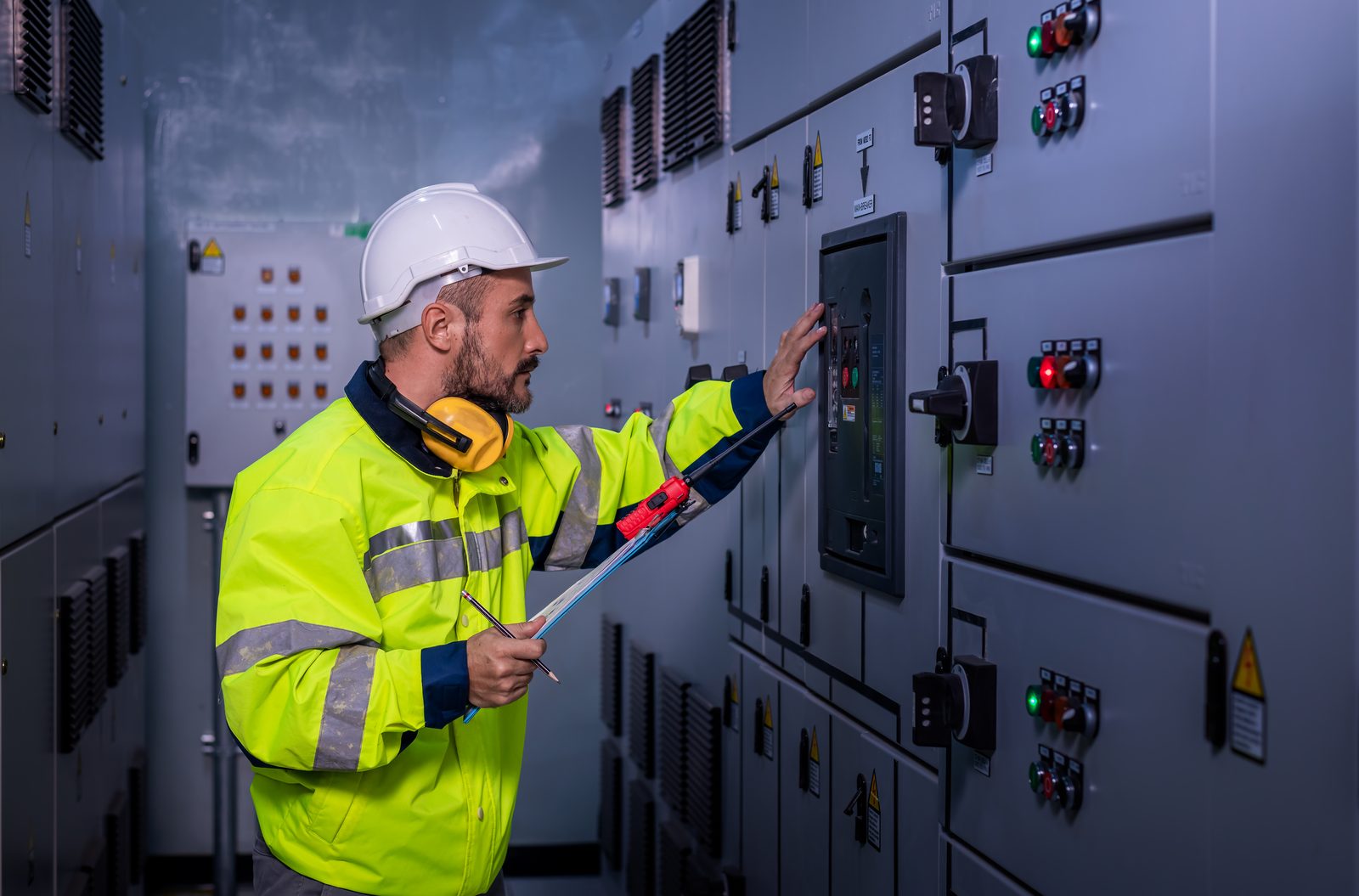
The requirement follows the exposure, not the job title. Anyone who may be exposed to an electrical hazard as part of their work is in scope. That obviously includes electricians and maintenance technicians, but it also reaches reliability techs, facilities and controls engineers, and anyone who opens energized enclosures, racks equipment, resets breakers, or takes measurements on live circuits. If a task could put a person inside a shock approach boundary or an arc flash boundary, that person needs to be trained and qualified for it.
What "qualified" actually means
"Qualified person" is a specific idea in NFPA 70E, not a general compliment. A qualified person has demonstrated skills and knowledge related to the construction and operation of the specific equipment and installation, and has received safety training on the hazards involved. Both halves matter: knowing how the gear works is not the same as being trained on the arc flash and shock hazards and the safe-work practices that control them.
How often retraining is required
Retraining is required at intervals not to exceed three years. But three years is a ceiling, not a schedule - retraining is also required sooner whenever any of the following happens:
- job tasks or equipment change in a way that affects the hazard or the safe-work practices;
- procedures change;
- an incident or near-miss occurs;
- observed performance shows a worker is not following the safe-work practices correctly.
In practice, that means a new switchgear lineup, a revised lockout procedure, or a near-miss during a switching operation can reset the clock on its own, well before the three-year mark. Treat the interval as the outer limit and let the triggers drive the real schedule.
What robust 2027 training covers
A serious NFPA 70E course does more than read the standard aloud. On the current 2027 edition, expect it to cover:
- The hazards - arc flash and shock, how they injure, and how incident energy and the boundaries relate to real tasks.
- The hierarchy of controls - why establishing an electrically safe work condition comes first, and how to justify energized work when it is truly necessary.
- Boundaries and PPE - limited and restricted approach boundaries for shock, the arc flash boundary for thermal energy, and selecting arc-rated PPE to the incident energy.
- The 2027 changes - the new additional-person requirement for permitted energized work (130.2(A)(2)) and the 110.4(C)(1) emergency-response training behind it; task-level emergency response planning; job briefings that protect the person; and reviewing the arc flash study when the system changes. See our deeper breakdown of what the 2027 edition changes for mission-critical facilities.
- Documentation - the energized electrical work permit (now at 130.3), and what a defensible training record looks like.
Does OSHA require NFPA 70E training?
This is worth getting exactly right. OSHA does not adopt NFPA 70E by name in its Subpart S electrical standards. What OSHA requires is that employees who face electrical hazards be trained in the safe-work practices needed to work safely - and it enforces that through Subpart S and the General Duty Clause, using NFPA 70E as the recognized industry standard for what a reasonable employer would have done and the feasible means of abatement. In plain terms: NFPA 70E is not itself the law, but training your people to the current edition is the most defensible way to meet OSHA's actual requirement, and it is the yardstick a citation or a lawsuit will use.
Building it into a program
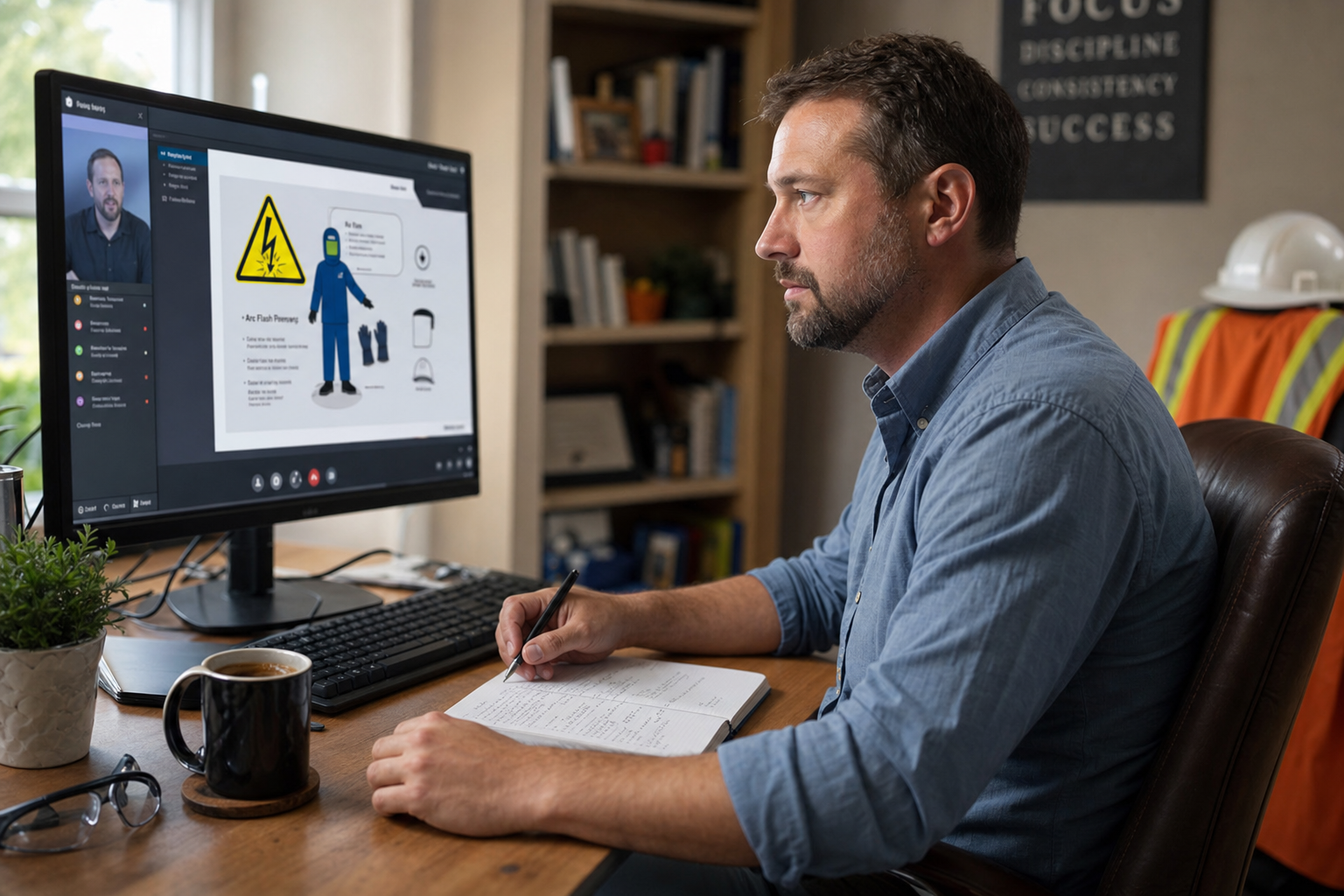
Training is one element of an electrical safety program, not the whole thing. The record should tie each qualified person to the equipment and tasks they are qualified for, capture the completion date so the three-year clock is visible, and be refreshed on the triggers above. Pair the training with current permits, arc flash labels that reflect the present system, and job briefings that put the classroom material to work before each energized task. If you're scoping a program from scratch, our onsite training and virtual training options both build this documentation in from the start.
Frequently asked questions
How often is NFPA 70E training required?
Retraining is required at intervals not to exceed three years, and sooner when job tasks or equipment change, procedures change, an incident or near-miss occurs, or observed performance shows a deficiency.
Is NFPA 70E training required by OSHA?
OSHA does not name NFPA 70E in Subpart S, but it requires electrical safety training and enforces it through Subpart S and the General Duty Clause, using NFPA 70E as the recognized benchmark. Training to the current edition is the most defensible way to comply.
What makes someone a 'qualified person'?
Demonstrated skills and knowledge on the specific equipment and installation, plus safety training on the hazards involved. Qualification is equipment- and task-specific.
Does the training need to be on the 2027 edition?
Yes - the 2027 edition is current. Training on an older edition can miss the additional-person requirement, the emergency-response expectations, and the renumbering, and is harder to defend.
Is online NFPA 70E training acceptable?
Live, instructor-led online training is well suited to workers who perform energized work because competency can be confirmed. Self-paced modules suit general awareness but should still teach the current edition.
Rick Hauf, CSP is a Certified Safety Professional with 35+ years in EHS and electrical safety. He teaches NFPA 70E nationwide - roughly 25 classes a year to electricians, EHS professionals, and Fortune 500 operators including hyperscale data centers, manufacturers, and utilities - with attendee ratings averaging 9.7/10. This article reflects the 2027 edition of NFPA 70E.